
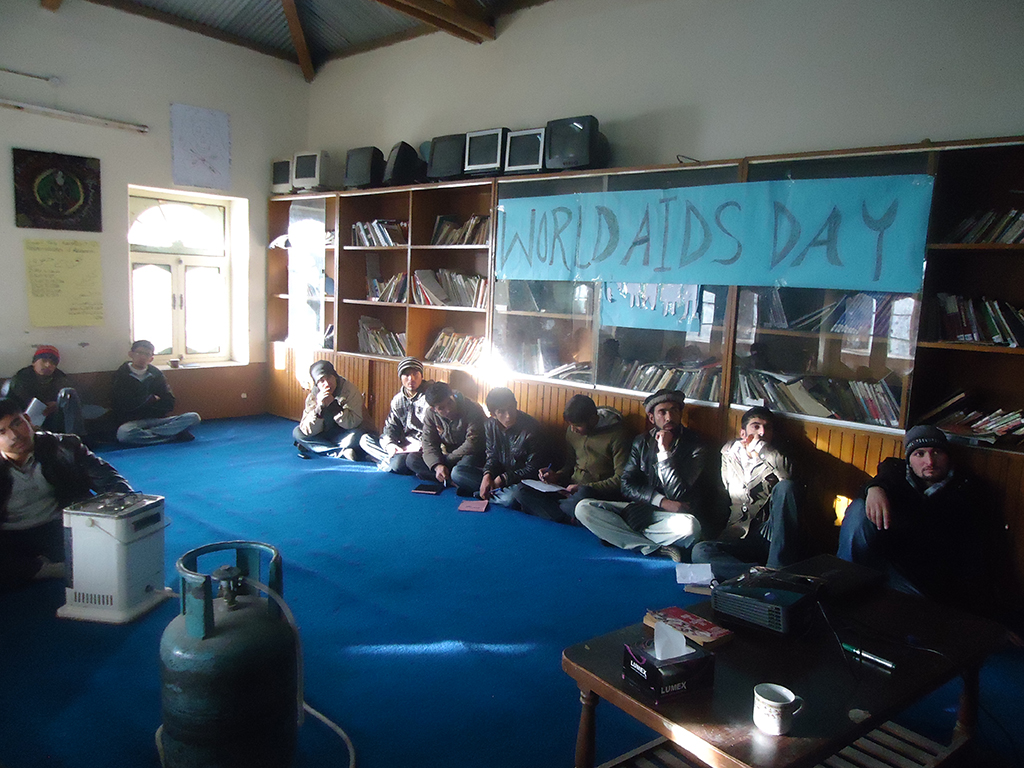
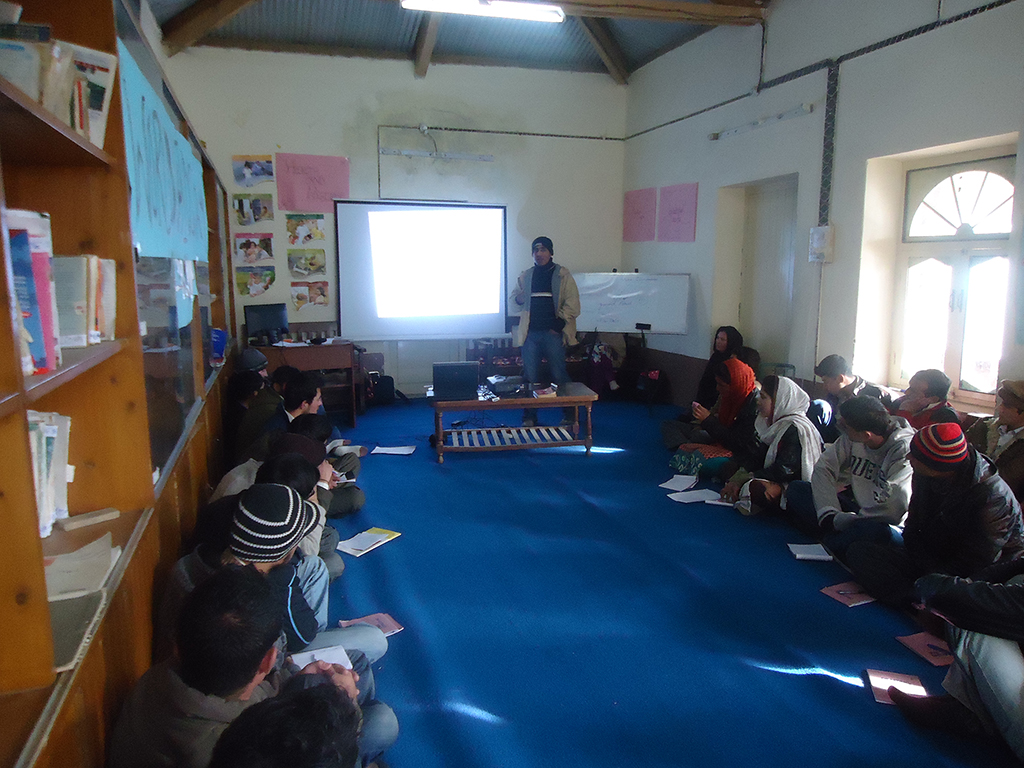
A series of training sessions to Health Service Providers (HSPs) on Adolescents Sexual & Reproductive Health was successfully delivered in district Hunza, Ghizer and Skardu in the 2 nd week of September 2013 in GB. The event was organized by Aga Khan Rural Support Program (AKRSP) as an important activity of the ongoing project Adolescents/ Early Youth Development (A/EYDP) in GB which is also known as Reproductive Health Initiative with Adolescents (RHIA) in the project implemented areas of Sindh and Punjab by Plan Pakistan International (PPI) an INGO and project partner of AKRSP.
The sessions were attended by professional male and female doctors, dispensers, public health specialists, medical technicians and health management staff representing government and private health sectors in the aforementioned major districts of GB. The sessions were conducted by master trainer Dr, Aurangzeb (MBBS) who is recently doing his masters of science in public health (MSPH) from National Institute of Health (NIH) Islamabad Pakistan and has over 7 years of experience in this field.
Sexual and Reproductive Health in general and Adolescents Sexual and Reproductive Health (SRH) in particular has been a neglected subject in overall Pakistan for the past six decades due to multiple factors such as resource constraints and the meager budget allocations for general health care of the people by government. Albeit, one of the most important factor which development interventions take as immediate repulsive response is the high magnitude of Socio-cultural Inertia from the different pockets of our social fabric. It starts from with-in of an individual who has been nurtured in a milieu of “No dialogue” “Reason not about sex and sexuality”. Master Trainer Dr Aurang Zeib while addressing the workshop participants said “Adolescence is a phase of critical transition from childhood to the phase of adulthood which can be classified in the thread of changes ranging from puberty to mental, emotional and social being. Providing self-awareness is not only a purely medical necessity but a moral obligation on the government, civil society, academia, media, religious pulpits and responsible parents”. He further elaborated the topic emphasizing the need to incorporate Sexual & Reproductive Health in our academic syllabuses. According to him, character building process should be well-informed with practical and reasonably logical understanding of growth and development phenomena in human beings. Self-awareness gives breathing space for informed decisions in male and female adolescents by giving safe journey to the phase of adulthood or youth, giving age specific information and catering age specific needs most of the times influences adolescents’ future line of actions and also help them set their goals, Dr Zeib.
The training material was designed by Dr Aurang Zeib covering maximum topics ranging from Syndromic Management of Sexually Transmitted Infections (STIs), Communication and Counseling Skills with patients in general and specifically with adolescents on sexual and reproductive health related issues. Audio-visual apparatus such as Power Point, charts, literature manuals and group presentations on case studies made the training sessions more interactive and learning for the participants. 18 HSPs on 9-10 th in Skardu division, 10 on 12 th in Hunza and 11 HSPs on 14 th September in Ghizer attended the training sessions. While addressing certificate distribution ceremony of the training session in Skardu Director Health Baltistan Dr. Iqbal Baig and District Health Officer Dr. Sadiq Shah appreciated the efforts of AKRSP in its contribution in helping public and private health workers in their capacity building. “ AKRSP’s changing tilt towards rights based projects in the Gilgit-Baltistan region is laudable because this kind of development intervention will leave long term positive behavioral impacts not only on Medical Staff and adolescents but on all the stakeholders of our society including parents, community gate-keepers, religious leaders, government officials, educationists, journalists and above all health educators like us”. DHO and Health Director Baltistan assured their official and unofficial support to such development activities by AKRSP in their respective jurisdictions.” And also suggested to provide manuals developed by WHO on STIs management to all the health facilities in Baltistan and conduct training for rest of the medical staff for greater impact of the project. In addition to that, he also suggested for a District Level Multi- Sectoral committee for spreading the word to maximum population in the region. While in Ghkoch Ghizer the DHO Dr Karim-u-din himself participated in group work with rest of the training participants and assured his support in the sustainability of such important project which according to him “AKRSP’s off the mark development intervention in GBC”.

Figure 1: Session on Syndromic Management of STIS

Figure 2: Director Health Baltistan addressing Closing
DHO Hunza-Nager Dr. Sher Hafiz while addressing the certificate distribution ceremony have said that “Health Services as legal responsibility is the job of government but AKRSP has played not only a helping hand; but has set some exemplary milestones in its history of rural development particularly in Gilgit-Baltistan and Chitral, one of that is, providing possible health care and health related information specific to children and their mothers”. The feedback from those participants who had attended the previous training sessions on the same topic is worth noting. Two of the participant Lady Health Visitors (LHVs) shared their practical observations using the communication skills that have been acquired in previous training sessions on Sexual and Reproductive Health Services. Ms Sheereen said that language barriers causes severe problems in health care and particularly mother and child health care; according to her most of the misunderstandings that simple village females carry while receiving sexual and reproductive health care information were resulted due to lack of communication skills in deciphering medical terms in to local vernacular speech, this refresher training will help her overcome the language barrier for betterment of mother and child health care.

Figure 3: HSPs Training in Hunza Nagar

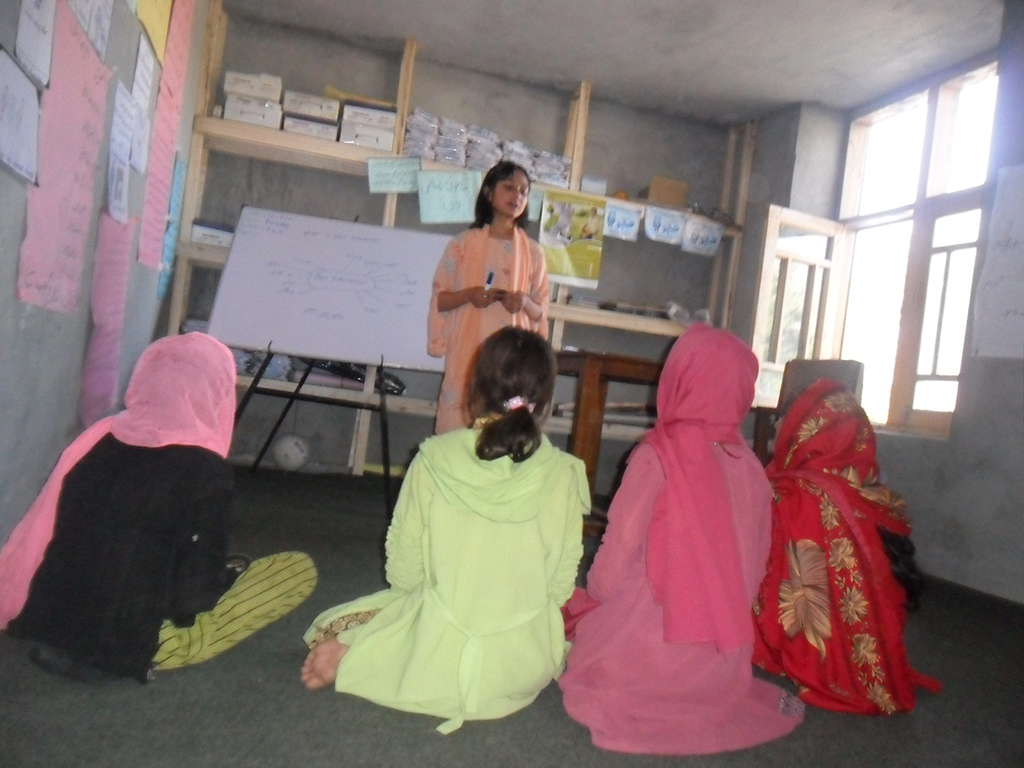
Figure 4: Presentation of HSPs during the training in Ghizer
Adolescents/Early Youth Development Project (A/EYDP) also known as Reproductive Health Initiative with Adolescents (RHIA) in GBC is a joint effort of Plan International Pakistan (PIP) and Aga Khan Rural Support Program (AKRSP) under implementation since February 2012. The underlying theme of this effort is to cater the physio- psychological, emotional and social needs of boys and girls ranging from age group (9- Figure 3 HSPs Training in Hunza-Nagar 19) in GBC. There are 18 Adolescent Friendly Centers (AFCcs) are in operation in three districts of Gilgit-Baltistan and 6 AFCs are in functional position in Chitral. The number of registered adolescents up to August 2013 in 24 AFCs has reached to 6,129 adolescent girls and boys. AFCs basically underpin some important scientific assumptions of developmental psychology and provide possible maximum support in grappling with multiple issues of this age sensitive group by providing age specific information ranging from their fundamental rights, responsibilities, health & hygiene hitherto, STIs, HIV-AIDS, and multiple physio-psychological problems that this age group is vulnerable to. Adolescents are being provided professional communication skills, life skills, art, and poetry. Hence, AFCs are complete recreational centers and backbone of this very project goal. The aim and objective of this series of training sessions was to complete the trio of various stakeholders like Adolescents, Parents and Health Service Providers (HSPs) to put-in a coordinated and collaborated efforts as binding force to achieve the project goal.
According to the population Labor Force Survey 2006, the population of youth in Pakistan was 41.81 million or about 27% of the total population of the country. Future projections by the National Institute of Population Studies (NIPS) indicate that this segment of population would increase to 57.9 million by 2018. According to Population Welfare G.B, the total projected population of G.B 2012 is 1.2 million & 54% population is between 15-59 Years. About 24% of Pakistani’s fall within the age group of 10 to 19 years forming a formidable population of over 34 million adolescents. This group of population is vulnerable due to a variety of reasons including uninformed decisions. (DFID 2004)
Pakistan is among the 11 countries in the Asia-Pacific which is famous for housing a majority of the people infected with HIV/AIDS. (UNAIDS) and HIV/AIDS prevalence in Pakistan nearly doubled from 11% in 2005 to 21% in 2008. The greatest source of a spread in the virus was use of drug injections. An estimated one in five people who inject drugs in Pakistan are HIV-positive.) An estimated one in five people who inject drugs in Pakistan are HIV-positive (UNAIDS). According to a statement by United Nations During 2000, approximately 5.3 million people became infected globally, and about 600,000 of these new infections were in children. With these new infections, the number of people living with HIV rose to 36 million by the end of 2000. Since the beginning of the epidemic, 22 million people have lost their lives to AIDS and some 13.2 million children under the age of fifteen have lost their mother or both their parents. Over 10,000 people become infected with HIV/AIDS every day.
Adolescents/Early Youth Development Project (A/EYDP) not only gives AKRSP a new name but represents a development challenge; a task, which is something new in its demands not only of human and financial capital but of a moderate society having enough hearts and minds to speak, educate, practice and challenge the established norms related to sexual and reproductive health rationalizing the generations for safer development transitions. But, places like Gilgit-Baltistan and Chitral due to their transitory phase from simple agrarian societies to semi-urban settings are culturally complex, and multiple forms of cultural conservatism regarding sex and sexuality have increased the complexity up to a point where word “Sex” is a social taboo. Adolescents Friendly Centers (AFCs) provide age specific information especially to middle male and female adolescents of 14-19 age groups regarding puberty changes and its physical, mental, emotional and social impacts, problems, prospects, skills and applications. Health and hygiene sessions of these middle and late adolescents of both sexes covers information regarding various biological diseases such as Hepatitis and its various forms, HIV-AIDS and various forms of STIs. On the other hand, Doctors, Nurses, Lady Health Workers (LHWs) Lady Health Visitors (LHVs) and nursing assistants are being trained in Sexual and Reproductive Health skills in the project areas. Community Advisory Committee (CACs) and Community Health Educators (CHEs) are lubricating the process of social mobilization for more acceptances and more community awareness on adolescents’ sexual and reproductive health should be guaranteed.
Considering the balance of doubts of various stakeholders including parents and communities at large regarding adolescents sex and sexuality coupled with diverse sorts of risk factors among youth in GBC such as growing suicidal ideations and attempts, drug and sexual abuse AKRSP is working in close liaison with academia like Karakurum International University, Gilgit-Baltistan, Ministry of Youth and Cultural Affairs and various stakeholders to turn this project in to a sustainable program owned by government and the communities in GBC region. AKRSP is also searching for cooperation and coordination with young journalist, religious leaders in dissemination of the information for effective social mobilization specific to sexual and reproductive health related issues of adolescents in Gilgit-Baltistan and Chitral.
HSPs training sessions on adolescents sexual and reproductive health is not only serving the project goal of assuring adolescents health but it is opening a new window of private public partnership in delivering necessary information and skilled treatment of STIs and many related issues of social kind. The feedback coming from the participants first hand experiences especially of those, who were attending as refresher training, are value addition to this project. Firstly, the STI Syndromic Management Flow Charts were re-visited and re-evaluated by the consultant under the light of the experiences of those doctors and nurses who have applied the prescribed methodology of STI Syndromic Management. The lessons learned from these training sessions will be a value addition to AKRSP for further development ventures of this kind and the information will be helpful in advocacy with the government and non-government institutions who are working in the area of Adolescents Sexual and Reproductive Health (ASRH).

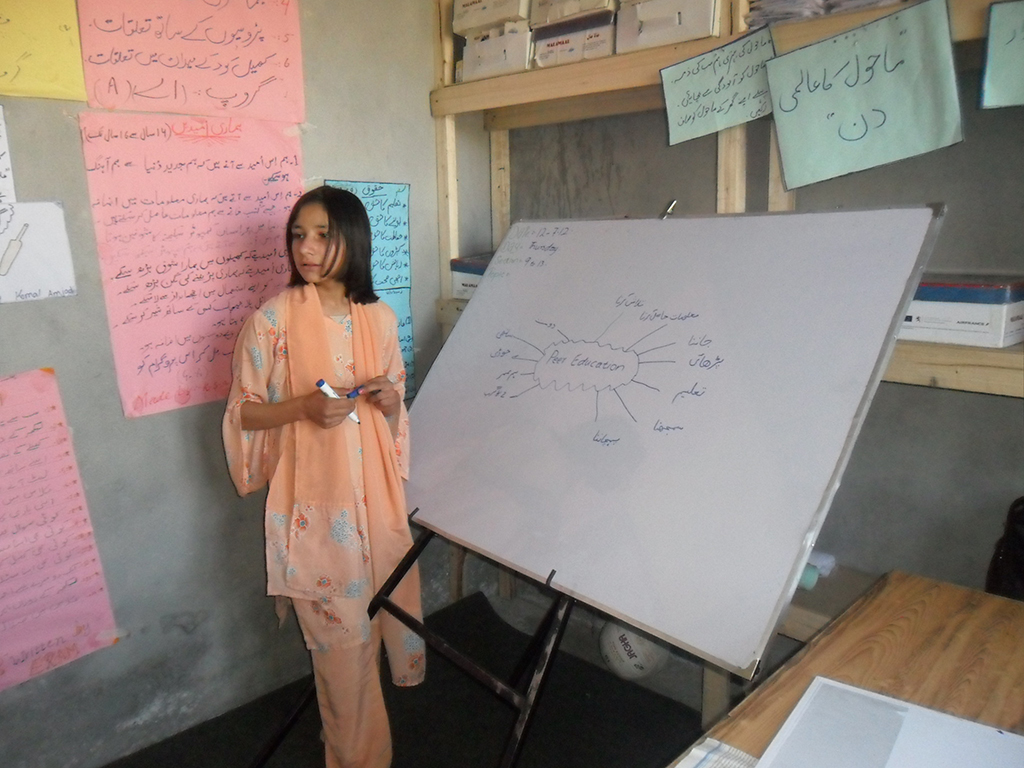
Figure 5: Presentation by HSPs in Hunza

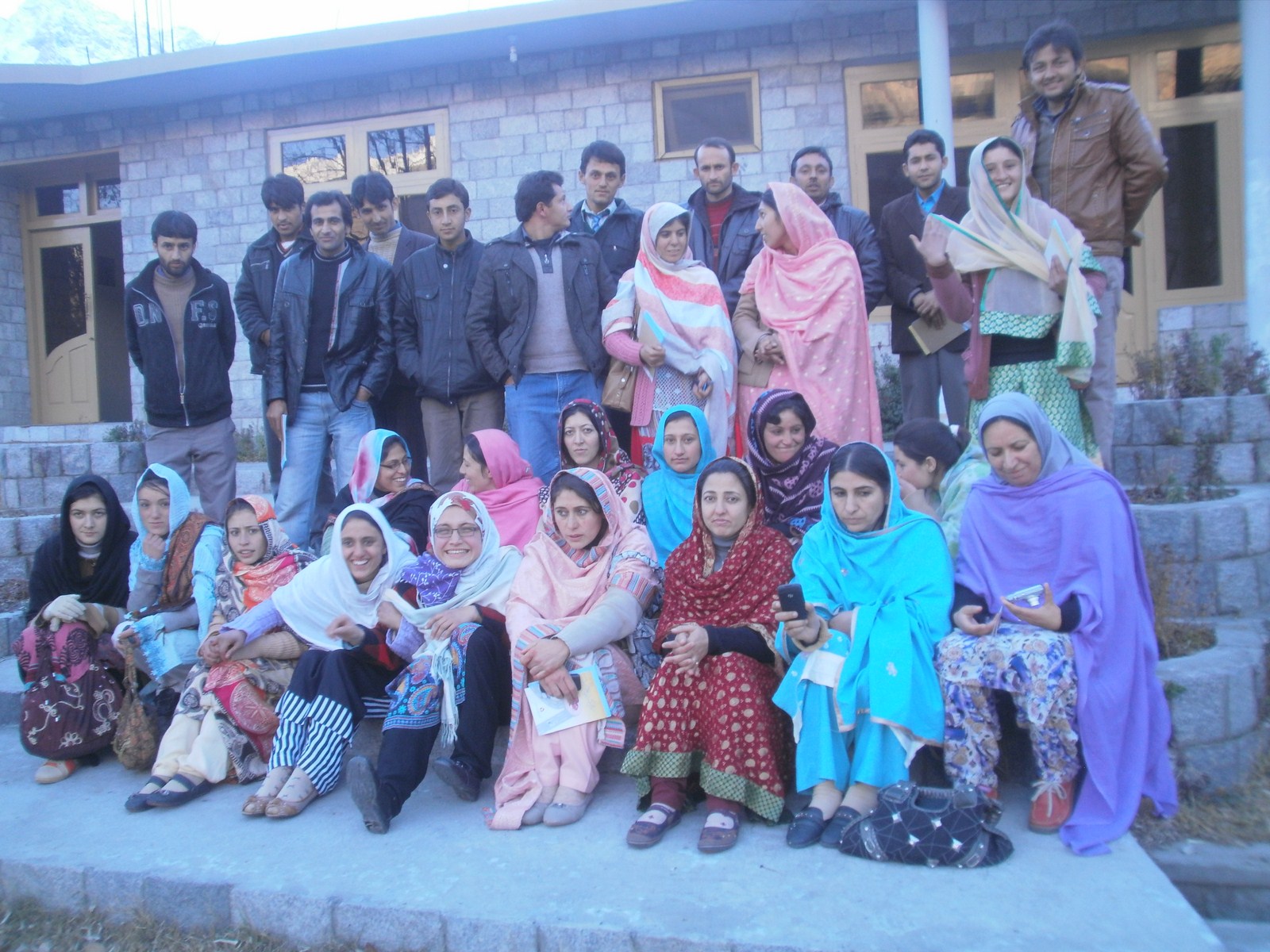
Figure 6: HSPs Group Photo Skardu